Kickoff Rush Hour: Reading the Traffic Patterns of a European Casino Floor
Photo: crowded european football stadium at night with floodlights from stands, via townsquare.media
When the Whistle Blows, the Lobby Fills Up
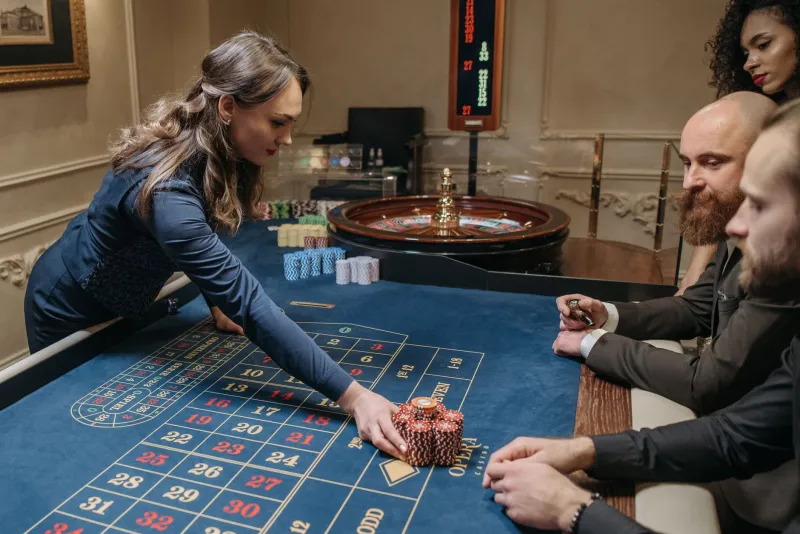
There's a specific moment I've come to recognize on European platforms. It's about forty minutes before a midweek Champions League kickoff, and the live casino section changes character. Blackjack tables that had three open seats at lunchtime fill to the rail. The live betting coupon starts twitching — prices moving in small, nervous increments rather than sitting still. Live chat, if you need it, suddenly answers in ninety seconds instead of fifteen.
None of this is a malfunction. It's a scheduling reality. European platforms are built around a football calendar, and American players are standing in the middle of that calendar without a map. This piece is the map. It's about operations, not picks — when the room is crowded, why, and what a crowded room actually feels like to play in.
Mapping Europe's Week Onto a US Clock
Central European Time runs six hours ahead of Eastern, nine ahead of Pacific. That single fact rearranges the whole week.
| European fixture window | ET | PT | What it does to the platform |
|---|---|---|---|
| Premier League Saturday 16:00 CET | 10:00 a.m. | 7:00 a.m. | Early-morning US spike; live betting coupon busiest of the week |
| Bundesliga Saturday 15:30 CET | 9:30 a.m. | 6:30 a.m. | Overlaps the above; heavy in-play market churn |
| Champions League Tue/Wed 21:00 CET | 3:00 p.m. | 12:00 p.m. | The single biggest traffic block of the week |
| Europa League Thursday 21:00 CET | 3:00 p.m. | 12:00 p.m. | Second-tier spike; live tables noticeably busier |
| Serie A Sunday 20:45 CET | 2:45 p.m. | 11:45 a.m. | Long Sunday build; peaks late afternoon ET |
| Ekstraklasa Fri–Sun evenings | 1:00–3:00 p.m. | 10:00 a.m.–12:00 p.m. | Steady Polish domestic traffic, lower peak but broad |
Notice what the table reveals: the European peak lands in the American working afternoon. A US player on Eastern time who wants a quiet live-dealer table should be thinking about late morning, not late night. That's the opposite of the Vegas instinct.
What Actually Happens at Kickoff
Four things change, reliably.
Odds movement accelerates. In-play prices on the live coupon get repriced constantly as events unfold — faster than most casual bettors can read them. Markets also suspend briefly around goals, penalties, and VAR checks, which can feel like a frozen screen if you're not expecting it.
Live tables hit capacity. This is the most visible effect. Live blackjack and roulette are physical products — a fixed number of seats, a fixed number of dealers on shift. When football traffic spills into the casino section at halftime, seat availability tightens and the lobby's table list starts showing fewer open spots.
Support queues lengthen. Chat staffing is planned around expected volume. The forty minutes before a big kickoff and the twenty minutes after a final whistle are consistently the worst windows for a fast human response.
Session pace changes. A busier room is a faster room. Dealers move through shoes more briskly when every seat is full, and the ambient pressure to keep up is real. Some players love it. Others find it pushes their bet sizing upward without a deliberate decision.
Playing the Rush vs. Dodging It
Both are legitimate strategies, and they serve different goals.
Play the rush if you want liquidity and movement. Busier live-betting markets mean tighter pricing and more available positions; a busy live-dealer floor means more table variety, more language options at the tables, and a livelier atmosphere. If your session is entertainment-first, the energy is part of the product.
Dodge the rush if you're learning a new game, testing a staking plan, or you simply want a dealer who can slow down for a question. The calm windows are specific and repeatable:
- Weekday mornings, 8:00–11:00 a.m. ET — Europe is at work, football is dark, tables are half-empty.
- Tuesday and Wednesday afternoons before 2:00 p.m. ET — the last quiet hour before the Champions League build begins.
- Monday all day — the calendar's dead zone. Consistently the least crowded weekday on European platforms.
- International break weeks in November and March — domestic fixtures pause, and the whole floor breathes out.
A Calendar for the 2026–27 Season
The European season runs roughly August through May, with a winter break in Germany and shorter pauses elsewhere.
- August–September: season ramps up; transfer-window news keeps betting volume elevated even on non-match days.
- October–November: the densest stretch. Midweek European competition plus full domestic weekends. Expect the heaviest Tuesday/Wednesday traffic of the year.
- Late November–December: congested fixture lists, plus holiday scheduling shifts midweek cards to odd hours.
- January–February: domestic cups and resumed European competition; February's knockout rounds are a second major spike.
- March: international break creates a noticeable lull — a good window for a longer live-table session.
- April–May: title races and semifinals. The final three weeks are the busiest non-holiday period on the calendar.
- June–July: near-silence, aside from tournament summers. This past June and July, the World Cup pushed unusual volume into North American afternoon slots; without a tournament, summer is the quietest stretch all year.
Three Operational Habits Worth Keeping
- Do your banking off-peak. Verification uploads clearsupport tickets move faster on a Monday morning than during a Champions League halftime.
- Check table limits before the rush, not during. A live table's minimum can be higher than you expected, and discovering that with a full lobby behind you is a bad time to learn it.
- Set your session length before kickoff. A busy room's momentum is genuinely persuasive. Deciding your stopping point while the floor is quiet is easier than deciding it at 5:00 p.m. Eastern with three matches live and every seat taken.
The takeaway isn't that crowded is bad or quiet is better. It's that the room has a rhythm, it's a rhythm set in Central European Time, and once you can see it, you get to choose which part of it you play in.